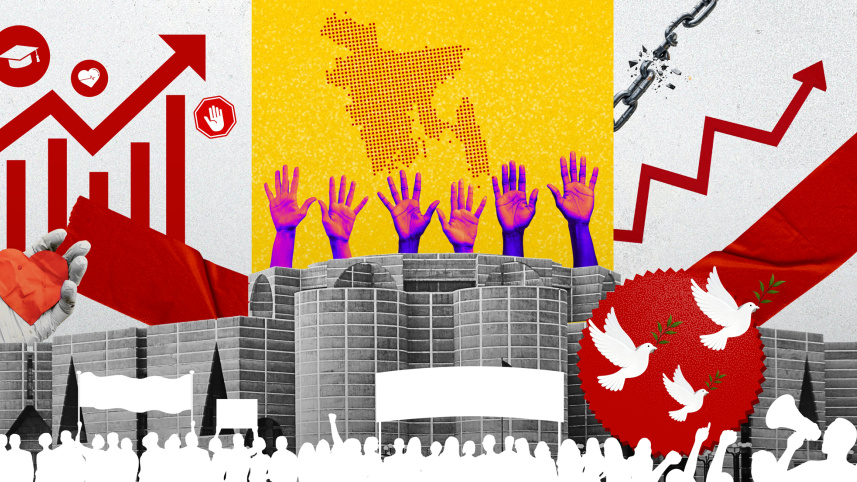
Bangladesh, a nation born out of a quest for linguistic and democratic rights, is currently navigating one of the most defining chapters in its fifty-plus years of existence. As of 2026, the country stands at a historic crossroads. The events of mid-2024, characterized by a massive student-led uprising, have fundamentally altered the socio-political fabric of the nation. Today, Bangladesh is not just a country in transition; it is a nation attempting a total systemic overhaul. This article provides a comprehensive analysis of the current political shifts, economic challenges, social reforms, and the geopolitical standing of modern Bangladesh.
1. The Political Landscape: From Autocracy to Interim Governance
The most striking feature of current Bangladesh is its political transformation. After 15 years of continuous rule by a single administration, the country is now under an interim government system.
- The Mandate for Reform: The current administration's primary goal is not just to hold an election, but to "repair" the state. This includes deep reforms in the Election Commission, the Judiciary, and the Anti-Corruption Commission. The objective is to ensure that no future government can bypass democratic accountability.
- Youth Power and Civic Engagement: The "Generation Z" of Bangladesh has emerged as a formidable political force. Their demand for a "discrimination-free" (Boishommo-birodhi) society has forced traditional politicians to rethink their strategies.
- Challenges to Stability: While there is a strong desire for democracy, maintaining law and order during this transition remains a challenge. The police force is undergoing a restructuring process to regain public trust after the events of 2024.
2. The Economic Reality: Resilience Amidst Hardship
The economy of Bangladesh is currently a story of both struggle and hope. While the country remains a global leader in exports, internal and external pressures have created a complex situation.
- Inflation and the Cost of Living: High inflation, particularly in food and energy prices, is the biggest concern for the average citizen. Global market volatility combined with domestic market syndicates has kept prices high.
- The Banking Sector Crisis: One of the most critical tasks for the current government is cleaning up the banking sector. Addressing "Non-Performing Loans" (NPLs) and holding financial scammers accountable is essential for restoring the country's credit rating.
- Foreign Exchange Reserves: Managing the US Dollar crisis and stabilizing the Taka against global currencies is a top priority. The role of remittances from expatriate workers remains the lifeline of the economy, showing remarkable growth in recent months.
- The RMG Sector: The Ready-Made Garment (RMG) industry continues to drive the economy. However, there is a growing push for diversification into pharmaceuticals, leather, and information technology.
3. Social Dynamics and Human Rights
The social atmosphere in Bangladesh is experiencing a "Spring" of free expression, yet it faces the friction of old vs. new values.
- Freedom of Expression: There is a significant increase in media freedom and digital activism. People are more vocal about their rights than ever before.
- Minority Rights and Secularism: Ensuring the safety of religious and ethnic minorities is a key test for the new administration. There is a nationwide dialogue on creating an inclusive identity that protects everyone regardless of faith.
- Education Reform: The education system is undergoing a massive review. The aim is to move away from rote learning and focus on technical skills, ethics, and critical thinking to prepare students for the 4th Industrial Revolution.
4. Digital Bangladesh to Smart Bangladesh
The technological landscape of the country is maturing. With one of the largest freelance communities in the world, Bangladesh is becoming a hub for digital services.
- The Freelancing Boom: Millions of young Bangladeshis are earning foreign currency through SEO, web development, and digital marketing. This "silent revolution" is helping the country bypass traditional unemployment hurdles.
- Cybersecurity and Infrastructure: As the nation moves toward a "cashless society," the focus on cybersecurity has intensified. Building a robust digital infrastructure is no longer an option but a necessity for national security.
5. Environment and Climate Change
Bangladesh remains the "ground zero" for climate change. Despite minimal carbon footprints, the nation faces existential threats from rising sea levels and extreme weather.
- Adaptation and Mitigation: The country is investing heavily in cyclone shelters, salt-tolerant crops, and embankment projects. Bangladesh’s voice in international climate forums (like COP) is stronger than ever, demanding climate justice from developed nations.
6. Geopolitics and Foreign Policy
In a world of shifting alliances, Bangladesh is maintaining a delicate balance.
- Regional Relations: Relations with India, China, and the USA are being recalibrated based on mutual respect and national interest.
- The Rohingya Crisis: Over a million refugees from Myanmar remain in camps in Cox's Bazar. The international community’s declining interest in this crisis is a major concern for Bangladesh’s internal security and economy.
Conclusion
The current situation in Bangladesh is a blend of immense challenges and unprecedented opportunities. The nation is learning that democracy is a journey, not a destination. While the path to economic stability and political maturity is steep, the resilience of the Bangladeshi people—from the garment workers to the tech-savvy youth—remains the country's greatest asset. If the current reforms take root, Bangladesh is poised to become a model for emerging democracies in the 21st century.